


I am a leading co-operative housing society lawyer in Pune with extensive experience in representing both individual members and entire housing societies in a wide range of society related matters. My expertise includes handling disputes relating to maintenance recovery, non-compliance by the committee, election, membership rights, conveyance, redevelopment, committee functioning, parking allocation, builder related issues, and interpretation of society bye-laws. I believe that every dispute should be approached with a balanced perspective that considers not only the legal position but also the larger interests of the society. I guide clients in evaluating their options, resolving conflicts effectively, and making informed decisions that promote transparency, harmony, and the long term well being of the society and its members.
Disputes arising from non payment of maintenance charges, recovery proceedings, interest calculations, and disagreements regarding contribution obligations of members.
Issues involving failure to conduct meetings, maintain records, follow bye laws, implement resolutions, or comply with statutory requirements.
Conflicts concerning election procedures, voter eligibility, nomination issues, voting irregularities, and challenges to committee appointments or results.
Matters involving admission of members, transfer of shares, associate member rights, nomination claims, and succession related concerns.
Disputes relating to builder delays, incomplete property transfers, title documentation, and securing ownership rights in favour of societies.
Issues involving developer selection, member consent, redevelopment agreements, project delays, compensation terms, and stakeholder disagreements.
Complaints regarding decision making, transparency, misuse of authority, financial management, conflict of interest, and governance concerns.
Conflicts relating to allotment of parking spaces, stilt parking usage, visitor parking, vehicle restrictions, and equitable distribution.
Matters concerning delayed possession, incomplete amenities, defects in construction, documentation issues, and post possession obligations.
Disagreements regarding application of bye laws, member obligations, committee powers, voting rights, and society governance procedures.

Guiding societies in issuing legal notices, interpreting statutory obligations, and ensuring compliance with applicable laws and bye laws.

Representing societies, committee members, and individual members before the Deputy Registrar, Co Operative Court, and other authorities.

Advising on validity of meetings, notice requirements, quorum issues, resolutions, and challenges to decisions taken by the general body.

Help with inspection of records, access to documents, maintenance of statutory registers, and disputes concerning society records.

Resolving disputes concerning terraces, clubhouses, open spaces, gardens, recreational facilities, and other common amenities.

Handling disputes involving seepage, leakage, structural damage, repair responsibilities, and liability between members and the society.
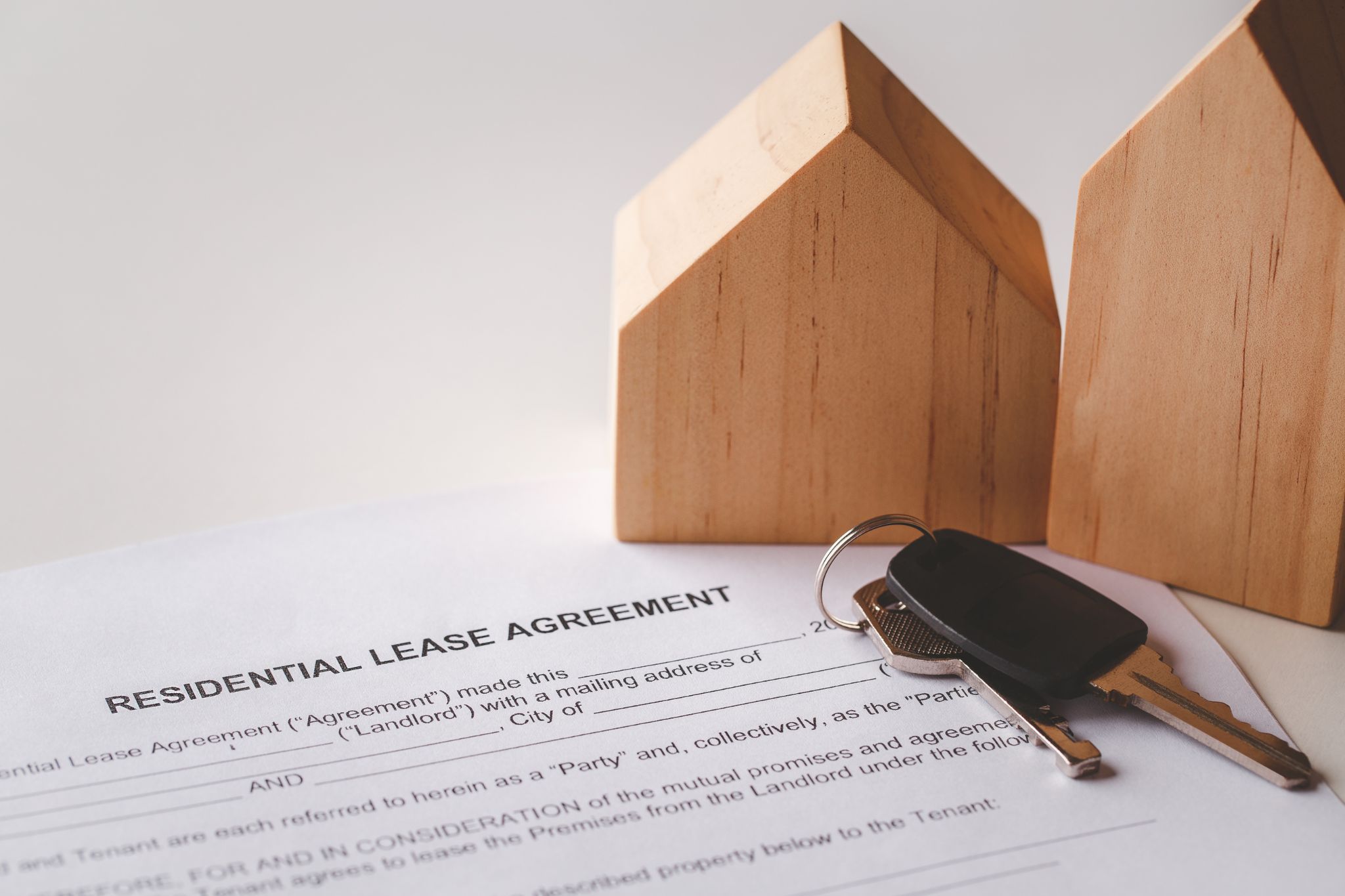
Guidance on the registration of federations and apex bodies formed by multiple housing societies to address shared interests, streamline compliance, and enable collective representation under co-operative law.
Yes. Housing societies are entitled to recover legitimate dues from defaulting members. Legal guidance can help societies initiate appropriate recovery proceedings and ensure compliance with applicable regulations.
A newly formed housing society should focus on governance, documentation, transfer of records, handover related matters, and compliance with statutory requirements. Proper guidance at this stage can help avoid future disputes.
Yes. Many disputes involving neighbours, parking, common areas, nuisance, and usage rights can often be resolved through mediation, negotiation, and structured discussions before litigation becomes necessary.
Concerns relating to audits, accounting records, expenditure approvals, transparency, or alleged financial mismanagement should be examined carefully. Legal guidance can help societies assess the situation and determine the appropriate course of action.
In many cases, yes. Mediation and negotiation can help societies and members resolve disputes amicably, preserve community relationships, and avoid lengthy legal proceedings while achieving practical solutions.
Legal guidance should be considered when disputes begin affecting the functioning of the society, involve interpretation of rights and obligations, or when attempts at informal resolution have not been successful.
Yes. Legal representation may be provided to housing societies, managing committees, or individual members depending on the nature of the dispute and the issues involved.
Timely legal advice can help societies ensure compliance, maintain proper documentation, address concerns at an early stage, and reduce the likelihood of disputes escalating into formal proceedings.